🎵 Audio guide
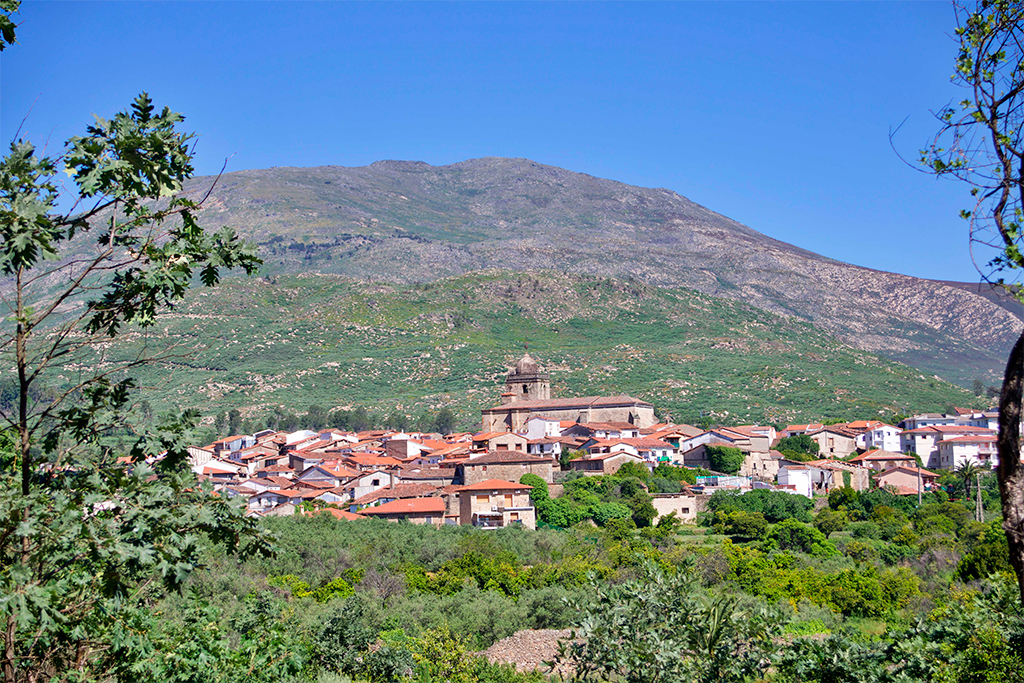
Acebo, located in the centre of the Sierra de Gata, is hidden in a valley at the foot of Mount Jálama. It is sheltered by mountains to the north, opening out to the south-east where the Acebo River flows. Its geography gives the village a unique natural charm, with abundant water, orange trees, grapevines, olive trees, livestock as well as old disused mines. However, it also has a rich architectural and ethnographic heritage.
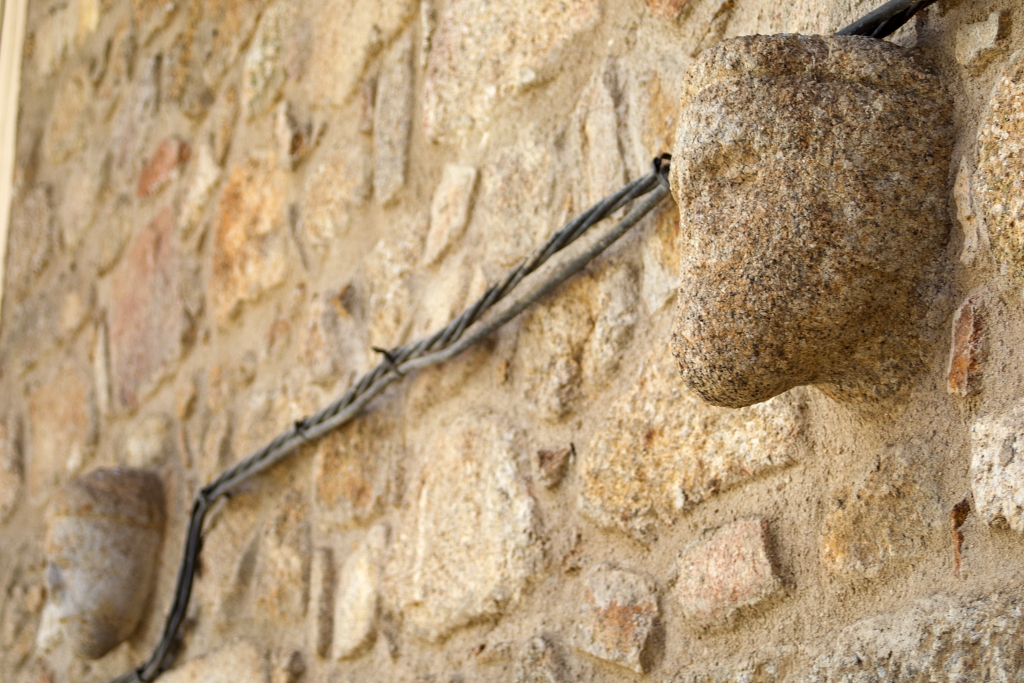
This area has been inhabited since ancient times, as evidenced by the presence of two stone head sculptures from the Vettonian period. The written history of Acebo and Sierra de Gata begins in 1212, when it was part of the Kingdom of León. It was originally under the Order of Alcántara and later became part of the House of Alba, based in Coria.
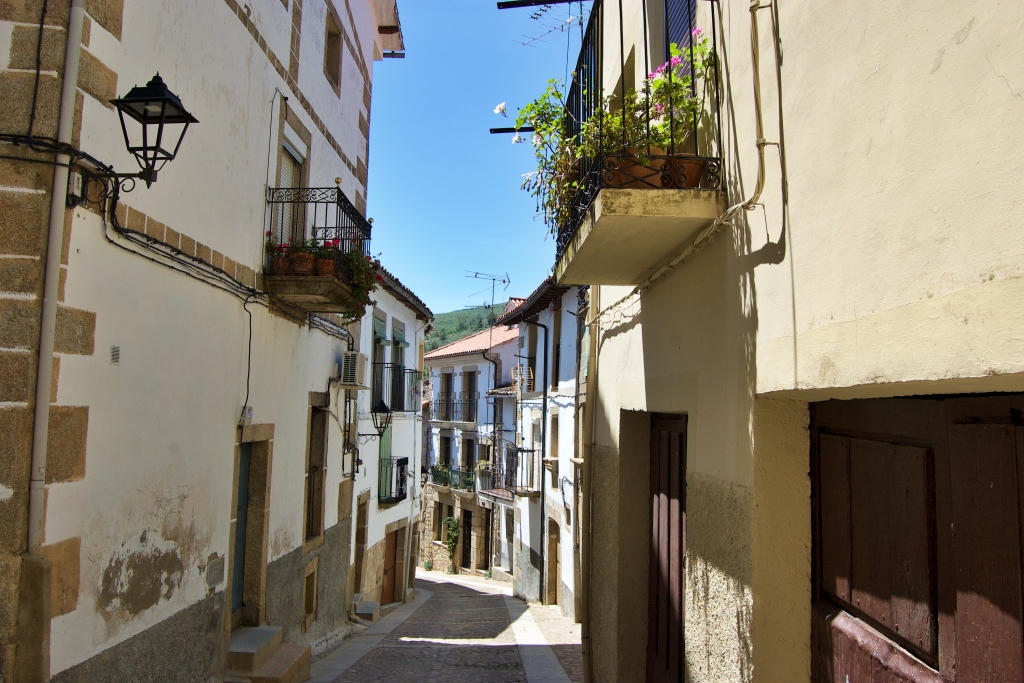
The original south-facing hamlet is situated on a hillside, at the start of the Camino del Puerto walking trail which follows the Lágina watercourse up towards its source. Acebo is a mixture of long streets, grand houses and stately homes with beautifully sculpted heraldries contrasting with the winding lanes and smaller, more modest houses of the Torrita and Cristo neighbourhoods.
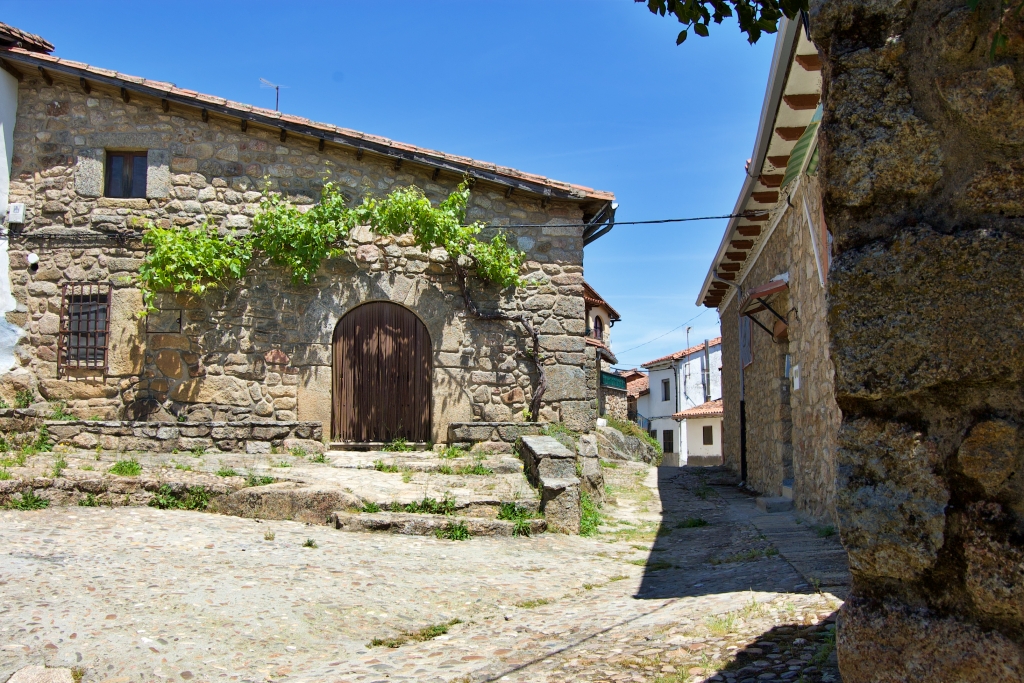
Torrita, located behind the church, was originally the Jewish Quarter of Acebo. Its chaotic, intricate maze of alleyways is situated on a rocky outcrop which further accentuates its unique character. To the north, the Cristo neighbourhood was developed as a consequence of the flourishing mining industry in the first half of the 20th century.
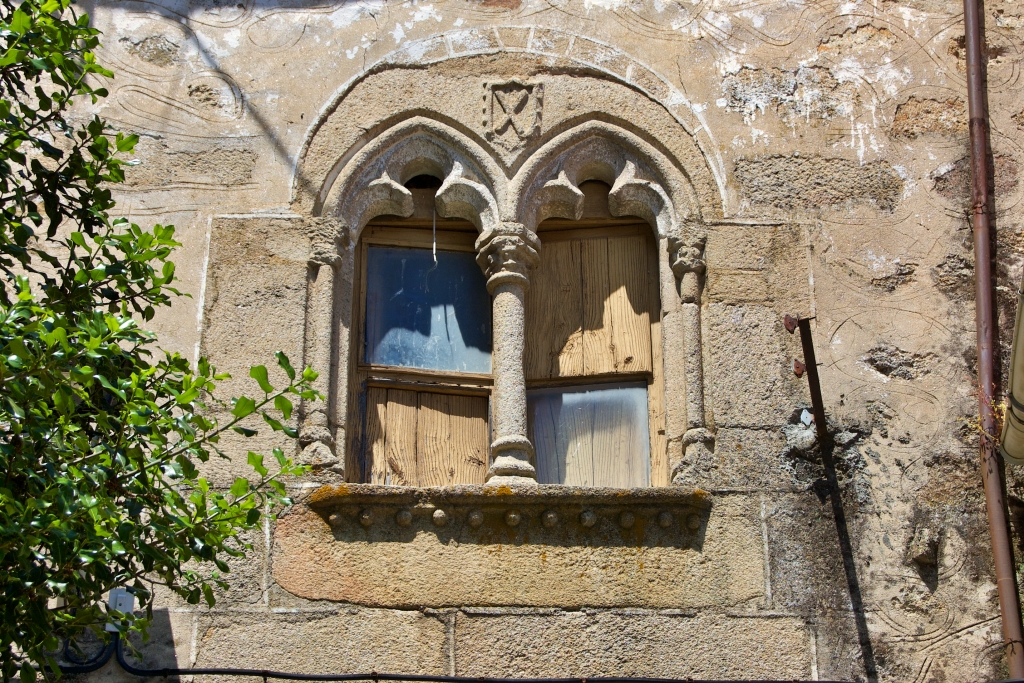
Despite a degree of modernisation, Acebo offers many delights, with magnificent fountains where curious visitors can rest and quench their thirst as they walk through its pleasant streets. The village is enticing with beautiful examples of traditional architecture and stone, wood or iron features which bear witness to the history of the village and its people.
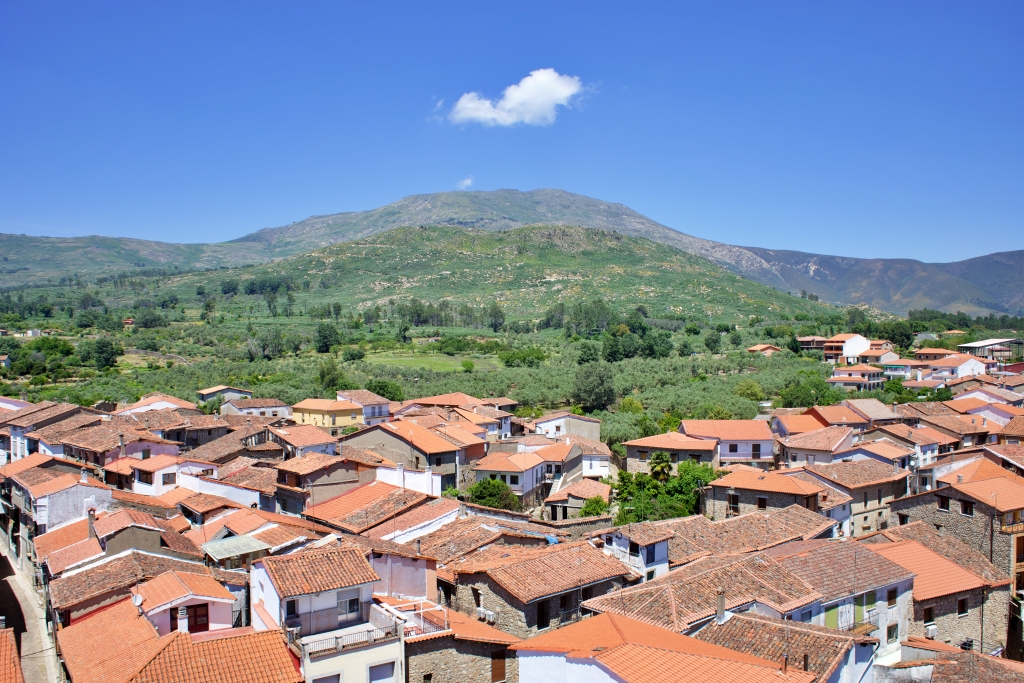
The surrounding environment is dominated by impressive mountains. The hillsides are covered in scrubland, growing around the granite outcrops. They are dotted with old farm constructions, circular stone pens and stone huts, relics of times gone by. The narrow valleys are graced with thickets of oak, cork oak and holly trees which grow beside the rivers and streams. The vineyards and olive and orange orchards are interspersed with oak and pine trees creating a delightful mosaic of colour and form.
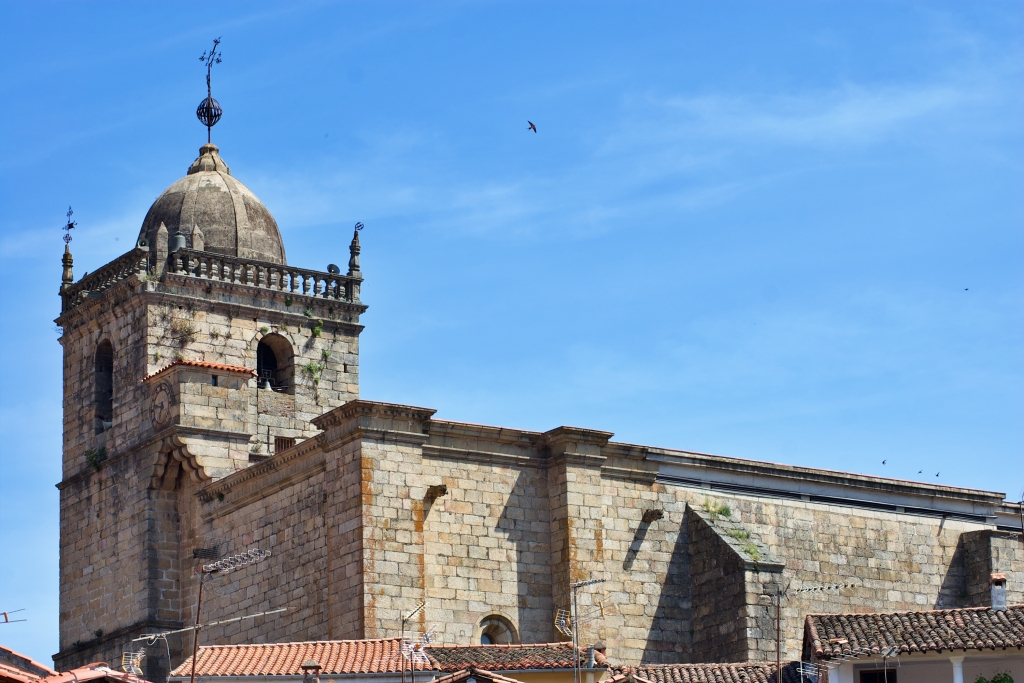
Acebo has a variety of interesting features including the Church of Our Lady of the Angels (Iglesia de Nuestra Señora de los Ángeles) from the 16th century and the Chapel of the Holy Lamb (Ermita del Santo Cordero). The most outstanding features of the surroundings are the Acebo River, with its natural pools, the protected area of La Cervigona waterfall and the Lágina stream valley.
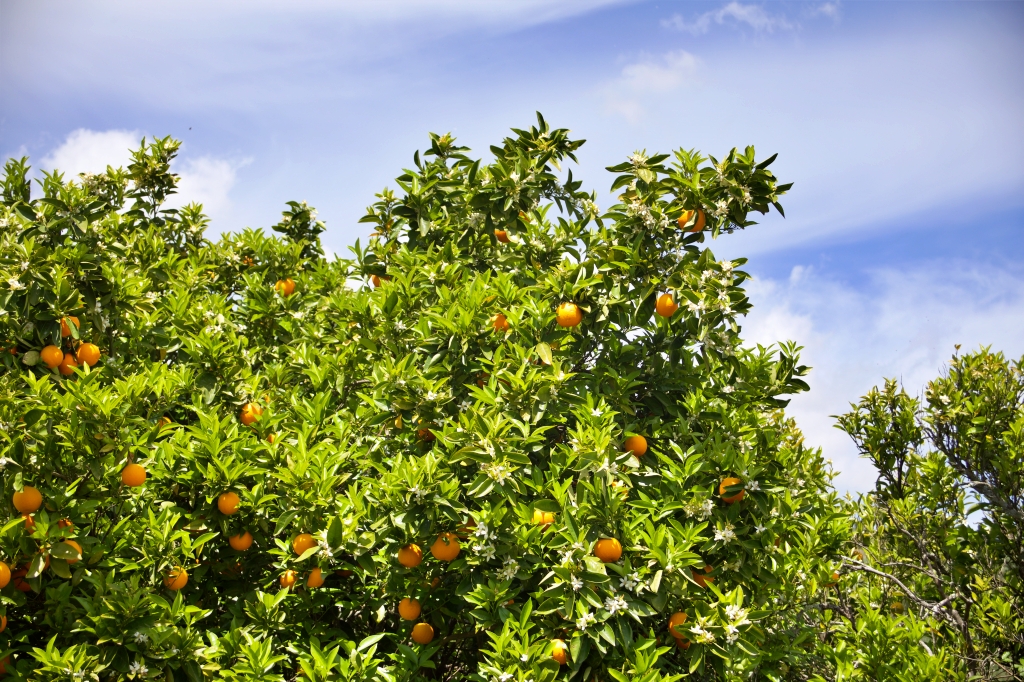
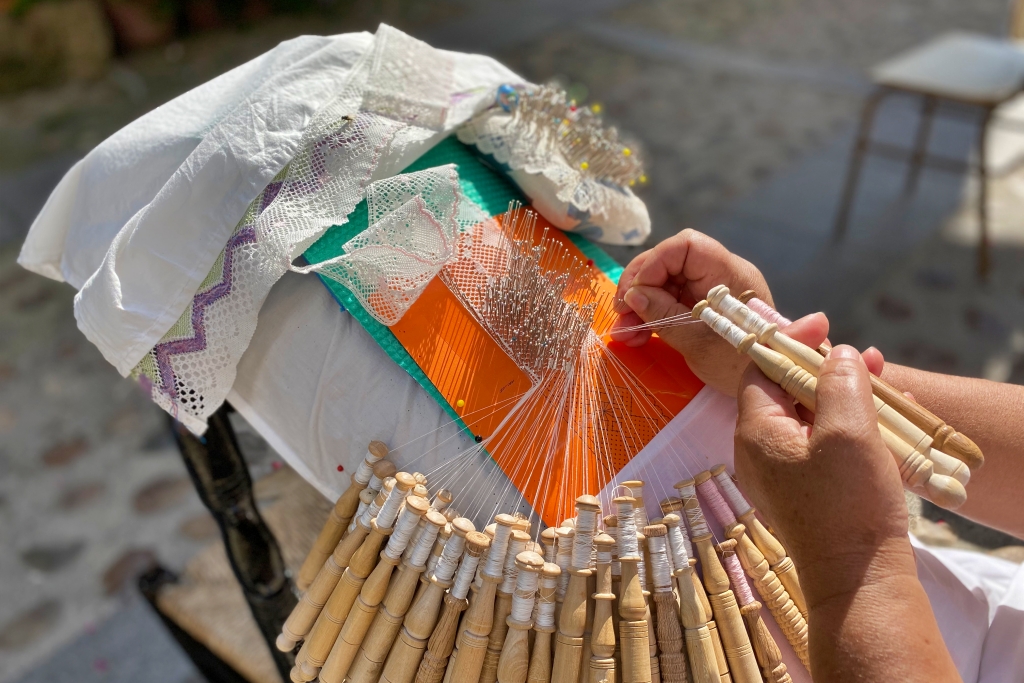
The “Orange Orchards of Acebo”, which blanket the valleys around the village are worthy of a special mention, as is the famous bobbin lace, a centuries-old tradition which has been kept alive to this day.